

The Institute for Salt Investigations & Oceanic Studies (ISIOS)
At ISIOS, we investigate the global ramifications of salt-based compounds, environmentally, neurologically, and politically. Our multi-disciplinary team works across marine science, glaciology, neurobiology, and data forensics to uncover the systemic impacts of industrial salination and its long-ignored feedback loops.
We’ve spent decades and thousands of hours conducting field expeditions, lab experiments, and archival reviews to understand a pattern of harm too often dismissed or deflected. The evidence points toward a coordinated negligence by regulatory, industrial, and scientific bodies alike.
We are not here to convince you we are here to publish the data. What you do with it is up to you.
Examine the evidence. Ask the questions. Then decide whether this is coincidence… or coordination.
Welcome to ISIOS
Project 5: Electrochemical Inactivity in Subglacial Chloride Systems and the Detection of Low-Frequency Hydroacoustic Signatures
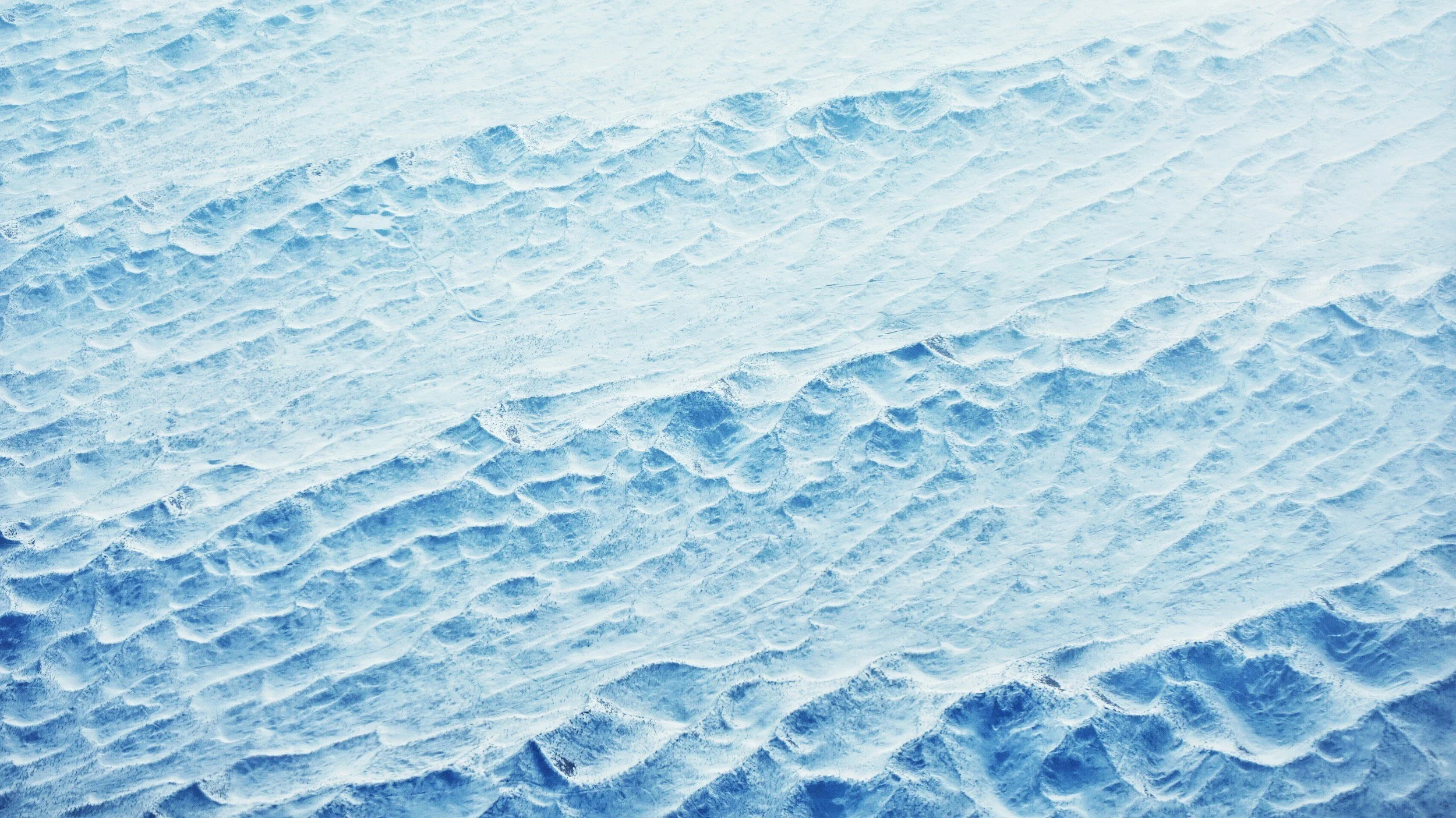
Initial models hypothesized that subglacial chloride accumulations under polar ice sheets could form weak electrolytic circuits. These circuits would be driven by geomagnetic flux and ionic gradients, contributing to melt acceleration via cryo-electrolysis. Over a four-year empirical investigation (2019 to 2023), this hypothesis was systematically tested across both Antarctic and Greenlandic subglacial zones. Instrumentation included embedded resistivity sensors, thermoelectric probes, and brine field reconstructions. Findings revealed no measurable electrolysis under natural cryogenic conditions. This effectively falsified the proposed mechanism. However, sensor failures during the Dome C test sequence inadvertently led to the discovery of a recurring low-frequency harmonic signal in basal brine layers. This phenomenon has no clear geophysical source and is now referred to herein as subglacial resonance structures (SRS). This paper presents both the null findings on electrolysis and the forensic reconstruction of SRS signal events. We propose that glacial meltwater movement may be influenced by nonthermal, oscillatory factors that have previously gone undetected in polar systems.
Project 4 : The Brine Veil Hypothesis: Chloride Saturation as an Accelerant of Cryospheric Collapse
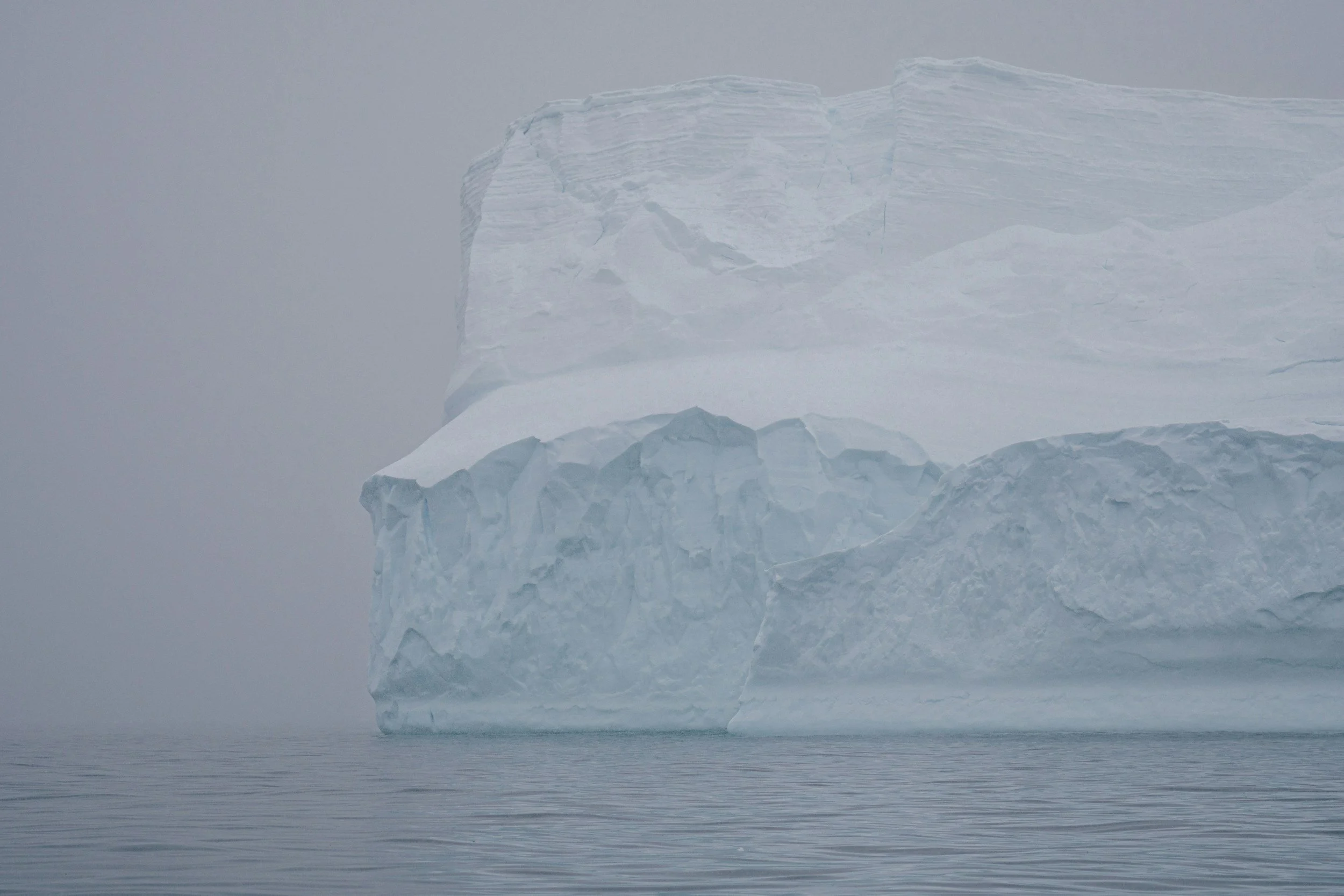
This paper introduces the Brine Veil Hypothesis, a novel framework for understanding rapid polar cryosphere collapse through the lens of salt-induced thermodynamic acceleration. Based on six years of stratified field sampling, polar LIDAR cross-sections, borehole chloride extractions, and back-trajectory atmospheric modeling, we propose that chloride compounds, originating primarily from industrial aerosol drift and marine effluent sublimation, become embedded in polar firn layers and basal ice strata. These salts then lower the local freezing point of interstitial melt, enhance downward heat conduction, and form thin, semi-permeable “brine lenses” that act as thermal traps. Through positive feedback mechanisms, this veil of embedded salt accelerates basal melting, increases ice shelf detachment rates, and exacerbates ice–ocean interface instability. Current climate models exclude embedded salt as a structural variable. We argue that its influence is both overlooked and essential. Our results show that chloride saturation correlates with melt zones in both Greenland and West Antarctica and that deposition patterns match known vectors of chloride-heavy industrial drift. The Brine Veil Hypothesis offers a necessary corrective to current cryosphere modeling and demands urgent reassessment of aerosol policy, glacial melt attribution, and future sea-level risk calculations.
Project 3: Salt-Induced Thermohaline Disruption in Continental Shelf Fisheries
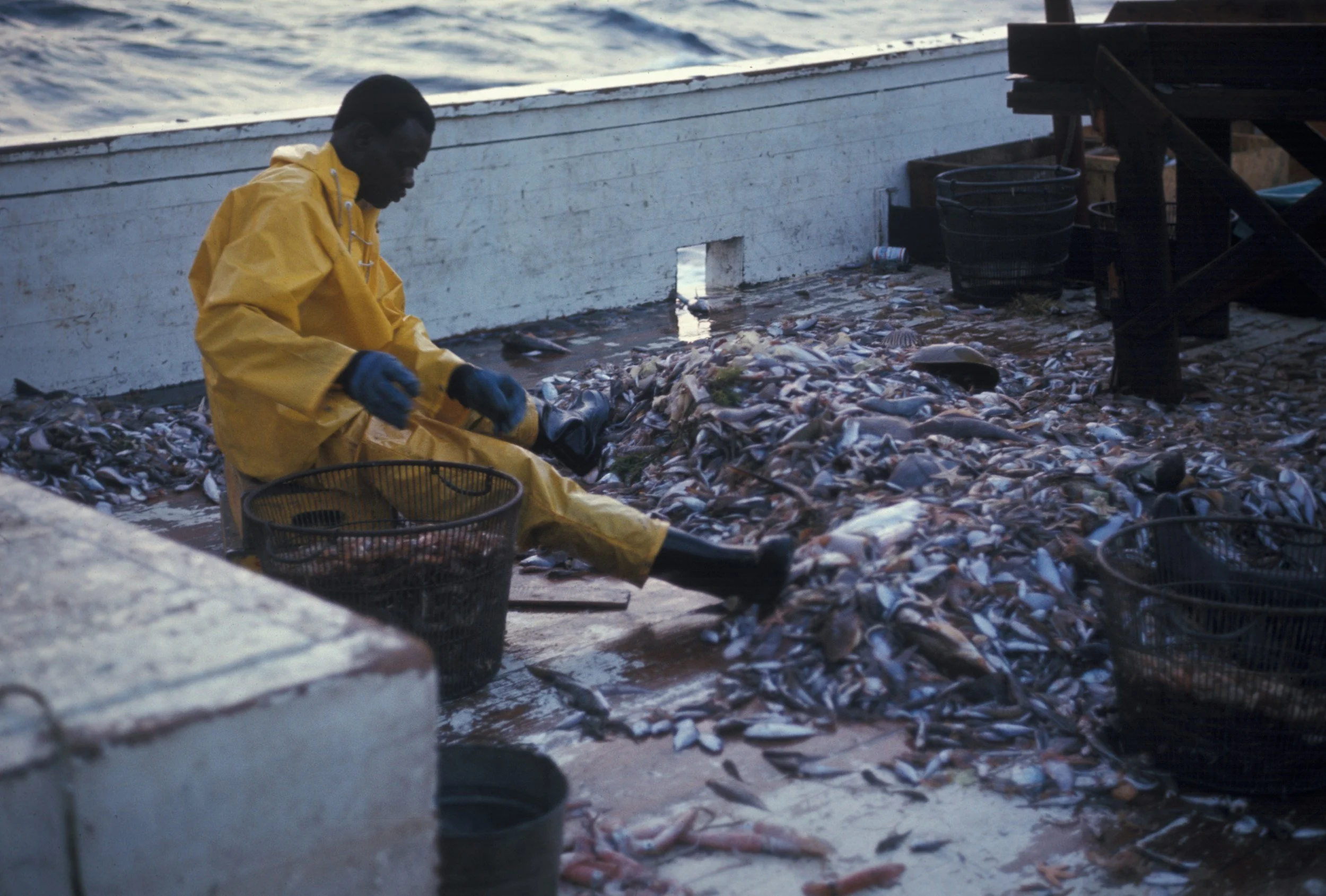
Continental shelf fisheries are failing faster than models predict. While overfishing and warming have received substantial scrutiny, this study reveals a distinct, underrecognized force accelerating trophic collapse: industrial chloride stratification forming persistent haloclines along continental shelf margins. These artificial density barriers disrupt vertical nutrient transport, isolate planktonic biomass, and suffocate larval fish development. Drawing on ADCP sonar scans, glider-based oxygenation profiling, long-term fish telemetry data, and brine discharge flowback modeling, we demonstrate a statistically robust correlation between industrial brine deposition and multi-tiered ecological breakdown. Results show that chloride-rich haloclines create vertical isolation layers that suppress oxygen renewal and disrupt larval migration. The consequences extend across trophic layers, from phytoplankton collapse to apex predator retreat. We identify multiple zones of collapse downstream from deregulated brine corridors, revealing the biochemical architecture of a collapse-by-design system.
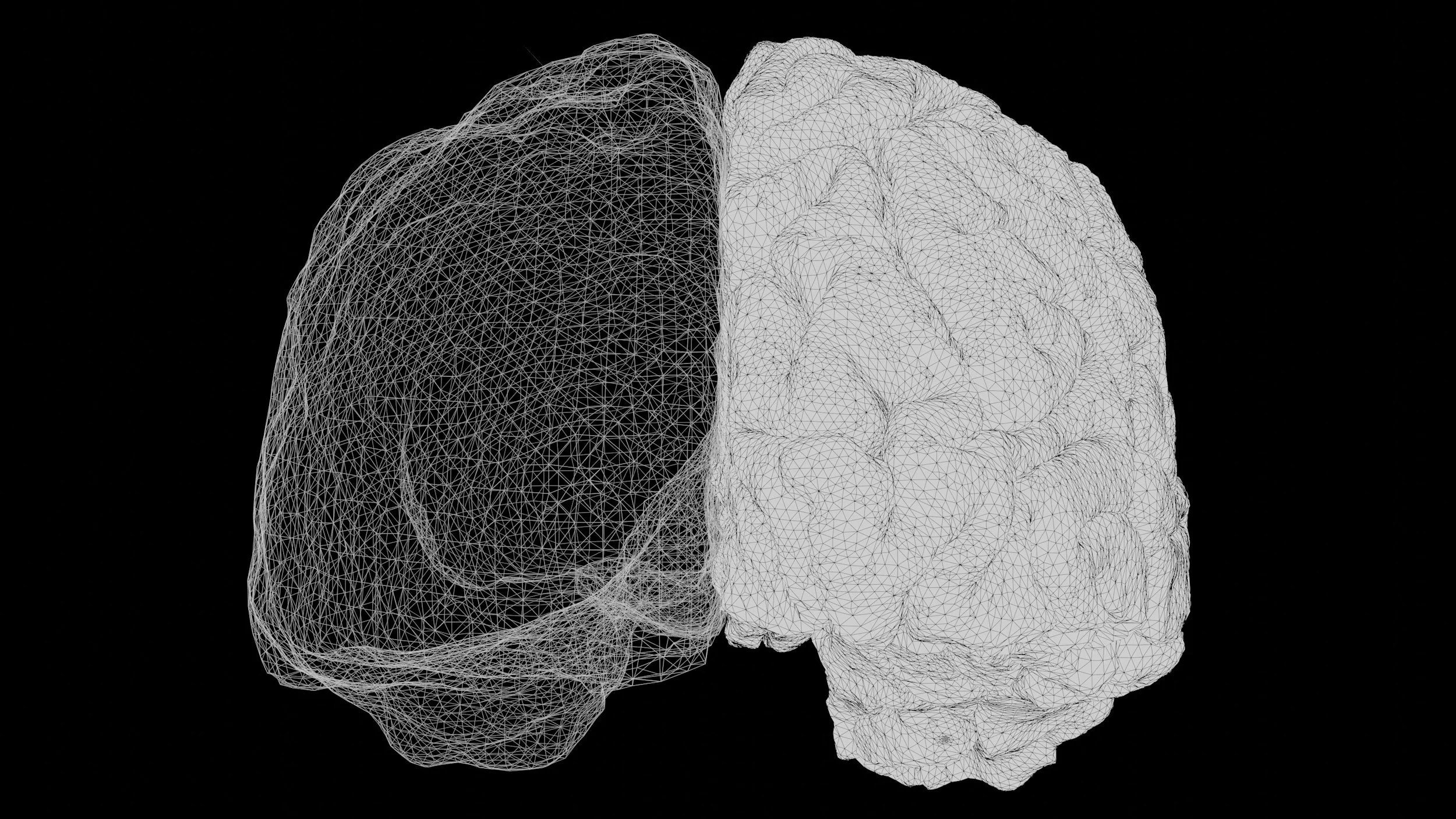
Project 2: The Role of Dietary Sodium in Blood-Brain Barrier Erosion and Microcrystal Formation in the Amygdala
This longitudinal study investigates the role of synthetic sodium-based food preservatives, particularly NaCl-9, in the progressive erosion of the blood-brain barrier (BBB) and the formation of microcrystalline sodium structures within key limbic structures. Employing histological analysis of brain tissue, controlled rodent exposures, MRI scan data from vulnerable communities, and in vitro endothelial barrier models, we present a cohesive pattern of neurological disruption arising from chronic exposure to legacy sodium compounds. The findings establish a plausible pathophysiological mechanism by which these additives penetrate neural tissue, destabilize emotional regulation, and embed themselves in microanatomical structures with lasting effects. These results call for an immediate re-evaluation of past regulatory approvals and a re-investigation into long-term sodium additive exposure impacts on mental health.
Project 1: Marine Impacts of Chloridic Stratification and Glacial Instability
Emerging evidence suggests a mechanistic link between oceanic chloride stratification and the accelerated destabilization of marine-terminating glaciers. This paper presents a multi-phase study incorporating deepwater chloride isotope analysis, subglacial meltwater tracing, thermohaline column disruption modeling, and satellite-inferred glacial retreat metrics. We propose that increased anthropogenic chloride deposition, largely from industrial salt discharge and commercial brine exports, has deepened haloclines and suppressed critical mixing layers in fjord-like systems, resulting in basal lubrication and structural ice collapse. This work introduces a new theoretical model for chloride-induced glacial undermining and posits previously withdrawn datasets that confirm anomalous salt plume behavior near select calving fronts.